The Rise of Preventive Aesthetics: Why Gen Z Is Starting Earlier (and What Actually Works)
- ferna maRT
- Oct 6, 2025
- 3 min read


Introduction
From TikTok skincare hauls to “baby Botox,” The Rise of Preventive Aesthetics is redefining how younger patients think about aging. Rather than waiting to correct lines, Gen Z and young Millennials are looking for light-touch, early interventions, small doses of neuromodulators, conservative fillers, and skin-quality lasers, to maintain what they like now and delay heavier procedures later.
What “Preventive Aesthetics” Means (and doesn’t)

Preventive aesthetics, often called prejuvenation, bundles routine sunscreen/retinoids with minimally invasive treatments:
Baby Botox / “preventive” neuromodulators: micro-doses to soften dynamic muscle movement before creases etch in. Early data suggests a plausible preventive effect, though long-term, high-quality studies are still needed.
Hyaluronic acid “micro-filler”: tiny amounts to support structure (lips, midface) without a “done” look.
Skin-quality devices: IPL/fractional lasers, RF microneedling and medical-grade skincare to improve tone, texture, and collagen.
Bottom line: The Rise of Preventive Aesthetics isn’t about changing faces—it’s about postponing visible aging with lighter, earlier moves.
Why The Rise of Preventive Aesthetics Is Happening Now
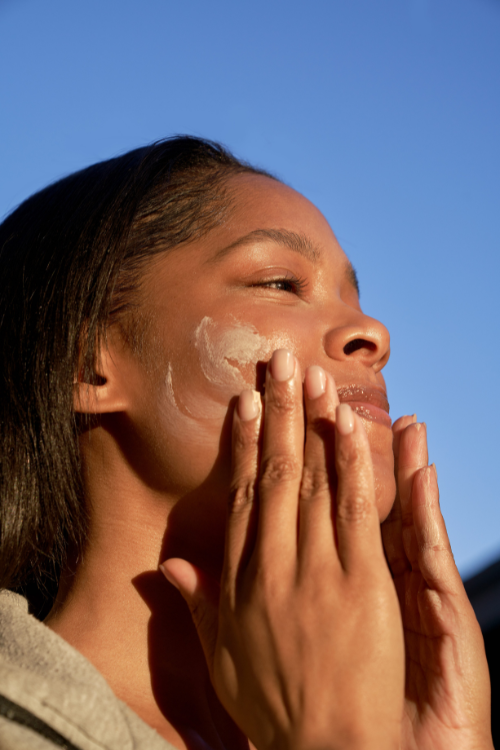
Generational shift: Surveys and industry reports show Gen Z/Millennials proactively adding neuromodulators and fillers to routine skincare; one 2025 analysis found neurotoxin spend rising from 12% to 20% of Gen Z’s nonsurgical budget since 2021.
Cultural vocabulary: Terms like “prejuvenation” and “baby Botox” are now mainstream in beauty media and brand emails—fueling curiosity and access.
Faster results, less downtime: Minimally invasive procedures grew again in recent ASPS statistics, outpacing surgical volume.
What the Data Actually Shows

Minimally invasive is up: Neuromodulators and HA fillers remain the top procedures, with millions of treatments annually and year-over-year growth.
Younger cohorts are entering earlier: ASPS data notes a rise among patients under 30 beginning so-called “preventive Botox,” though 40–54 remains the largest group overall.
Evidence is promising—but not definitive: A 2025 review notes preventive botulinum toxin as a promising tool to proactively manage facial aging—while calling for longer, controlled studies.
The Debate: Is “Preventive Botox” Hype or Help?

Dermatologists disagree. Some see small, well-spaced doses as a smart way to delay etching lines; others argue “preventive Botox” is vaguely defined and risks overtreatment. Potential pitfalls include over-relaxation (flat expression), rare treatment resistance, and focusing on injectables while neglecting proven basics (SPF, retinoids).
Balanced approach: pair neuromodulator micro-dosing with daily SPF, retinoids, and periodic skin-quality treatments rather than chasing “frozen” results.
A Practical Preventive Aesthetics Plan (Evidence-forward)

Daily foundations: Broad-spectrum SPF 30+, vitamin C AM, retinoid PM—the highest ROI in skin aging.
Texture & tone: Consider IPL/fractional laser cycles or RF microneedling for pores, redness, and collagen support.
Movement lines: If expression lines persist, discuss baby Botox with a board-certified injector; spacing and dose matter.
Structure—less is more: Micro-filler for subtle lip/midface support; avoid volume chasing.
Maintenance, not maximize: Aim for a natural baseline, not a new face. Reassess every 3–6 months.
Who Is (and isn’t) a Good Candidate
Great fit:
Early, dynamic lines; strong skincare adherence; realistic goals (look rested, not different).
Not ideal:
Expecting permanent prevention, skipping SPF/retinoids, or wanting dramatic changes from “micro” treatments alone.
Costs & Frequency (Typical Ranges)

Baby Botox (glabella/forehead/crow’s feet): 10–30 units total, every 3–4 months.
Micro-filler touch-ups: 0.3–1.0 mL, 6–12 months depending on area/product.
IPL/fractional series: Packages of 3–5 sessions, then maintenance 1–2×/year.
(Exact pricing varies by city, injector credentials, and device type.)
The Takeaway
The Rise of Preventive Aesthetics reflects a generational shift toward maintenance over makeover. The most durable results come from combining evidence-based skincare, skin-quality devices, and judicious micro-dosing—backed by realistic expectations and credentialed care.
Ready to Explore a Preventive Plan That Still Looks Like You?
Tell us your goals (lines, texture, tone) and your timeline. We’ll map a light-touch strategy with vetted specialists that prioritizes natural, camera-ready results—no overfilling, no overfreezing.


Comments